Is this a time to be brave or safe? Given this choice, my brain screams safe every time. Years of hypervigilance locked down my alarm system, bypassing bravery whenever possible.
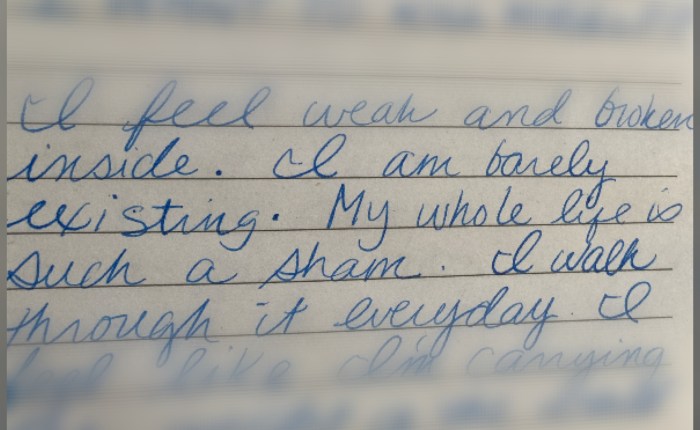
I started therapy two weeks before the world shut down, but I had been steadily shutting down long before COVID. The noise grew louder until I couldn’t hear anything else. Imagine that feeling just before you begin to cry, that involuntary quivering that says, “here it comes!” My mind lived on that edge, constant mental quivers that threatened to drown me if I let go.
The noise increased as I trained for the 2019 NYC marathon. My long runs, usually a shining exercise in focus, became a breeding ground for self-loathing—my mind, a petri dish for shame. My composure hung by a thread as I pushed myself close to collapse. On several occasions, panic forced me to stop mid-run when I began to cry and hyperventilated as I continued. My wife pleaded with me to get help. I promised that I would look into it after the marathon. I had come back from injury and trained in the pool for months when I could not run; I needed to cross that finish. After the race, I wondered if removing the physical and mental grind of training would help the quivers subside. I gave myself a few weeks off from anything more than walking. A few weeks turned into a couple of months, and no improvement.
As my energy stores depleted, I put all I had into remaining functional. Peeling myself from bed each morning required extreme convincing. I slogged through my morning routine like wading through waist-deep water. After dropping my daughter at school, I was already exhausted. When I returned to the quiet of the house, the noise grew to fill the space. Logically, I could see that I had all I needed and wanted, but I remained trapped at an arm’s length, unable to experience it. The slide continued until after the new year, when my wife reminded me of my post-marathon promise.
On March 5th, 2020, she brought me to my first appointment. “Just be honest,” she said as I left her in the waiting room. The session was daunting. How do I begin to describe something that continues to strangle me when I try to speak? Where do I begin to address something that feels as vast as it does hopeless? So, I kept it as simple as possible: “I want a break from myself. The noise in my head is deafening, and it never stops. I don’t need to feel good; I just want to feel okay. But I can’t feel okay when I am with me.” Here we began our journey as patient and therapist. And then, we entered a pandemic.
I agreed to try telehealth since in-person was not an option. COVID piled on fresh trauma before I could begin to address what brought me to therapy in the first place. My insides felt raw like someone had scoured them with steel wool, and COVID poured salt. My jaw ached from clenching in my sleep. Sometimes, I’d wake up from the pain to find blood in my mouth with my tongue caught between my teeth. I carried so much tension in my neck that I gave myself whiplash while doing my hair. The physical pain rivaled the mental until I started to unravel.
I had no intention of starting medication. I told my therapist from day one that the idea scared me. I tried once before and didn’t make it through the first week of side effects. But as I deteriorated at an unprecedented rate, the decline scared me more than the idea of medication. One afternoon during my session, I sobbed as I listed the never-ending what-ifs that crowded my mind and stole my life. My hands trembled as I said, “I think I need help. More help than therapy alone.”
I met with a psychiatric NP in mid-May. I shared honestly, telling her that I would pick up the prescription, but I could not promise to take it. One step at a time; this was all I could handle. I told my wife, “I want someone to promise me it will be worth it. That my quality of life will change for the better if I can just swallow the pill until it becomes routine.” But there were no guarantees. I had to choose for myself.
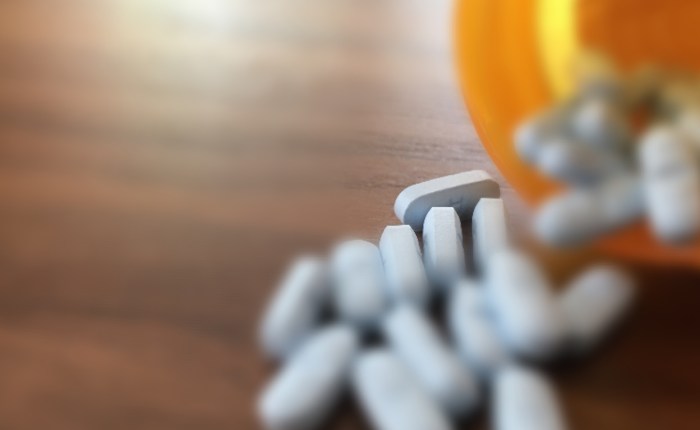
My wife acted as a coach for the first several pills. Putting the tablet in my mouth and swallowing felt like high diving, and I am terrified of heights. With each swallow, it got a little easier. By the end of week one, I was on my own, but my wife kept a journal to track my progress. I experienced mild side effects, which dissolved after ten days. When I finished the first bottle, we celebrated like I had crossed the finish line of a marathon. Thirty doses in, and I was emerging from my air pocket.
For years, fear prevented me from trying medication. I worried that I would lose myself to the side effects. I guess it took a pandemic to bring me to try again. But I like to think that I would have gotten here regardless because it is disquieting to reflect on what I’d miss without it.
This struggle is part of my story–unique to me and in no way meant to compare or pass judgment on others. However, if you find yourself at the same crossroads, confronted by fear, maybe you can benefit from my perspective. If I could go back in time, here is what I would tell myself about the benefits of medication:
You will feel okay again.
You will be more available for your family and feel present.
You will hear the birds chirp and feel pleasure.
You will smell the lavender in your garden and feel at peace.
You will notice the sun on your skin and feel content.
You will listen to your daughter talk about anything and feel thankful.
You will look into your wife’s eyes and feel hopeful.
You will make progress in therapy and feel proud.
You will start grieving for what you have lost and feel supported.
You will recover from swings of depression and anxiety and feel resilience.
Therapy is tiring. Recovery takes commitment. There is no magic pill, but medication keeps my hypervigilant alarm system from overriding my bravery most of the time. No longer at an arm’s length, I am holding on to what matters and learning to trust that hold. Today, this is right for me. Put enough today’s together, and you have a lifetime.





 Trapped in an Air Pocket