You can’t become a mother without pain. Even with an easy conception and an exquisite pregnancy, you still must endure labor and delivery. Even with adoption, you must overcome distressing hurdles. It is that simple—first pain, then motherhood. My labor began with my first miscarriage and continued for six years until I landed safely in the United States with my daughter.
The first contraction hits me in my bed, where I wait for the inevitable to begin. Having been told that it may take some time for my body to miscarry, I don’t know what to expect or when to expect it. But I know it when I feel that first cramp. Only, I don’t want to push it out. The mental anguish roars over the physical, like a lion to a house cat.
After the miscarriage, the tightening returns with every period and negative pregnancy test. A pinch comes when our closest friends have their first child. The sting grows with learning that my teenage brother is having a baby, followed by my sister’s unplanned pregnancy shortly thereafter. I silently scream with the pressure but hold my breath instead of breathing through it.
The next round of contractions begins with my second miscarriage. Holed up in the bathroom; it slips from my body despite my clenching.
My labor rolls on for another year:
Every time I stick myself with a needle to assist my failing body.
Every time a nurse ties the tourniquet for another blood test.
Every time I put my feet in the stirrups.
Every time I miss a cycle because my husband is traveling.
Delivery is a moving target, more like a mirage. And so, my labor continues through three years of international adoption. Contractions are a way of life. I didn’t see it at the time, but I was straining—always. My muscles ache as my mind races through a tortuous test of endurance: Through demanding timelines, endless paperwork, and constant financial stress. Through countless examinations to verify my parental fitness as determined by strangers who document my mental and physical health.
I live under a microscope while seeking out stamps of approval. And I wait. And I wait. And I wait, but there is no Pitocin to quicken this labor. No epidural to numb the pain, not without a risk of being deemed mentally unwell by a foreign country, which now holds my chance of a healthy delivery in their hands.
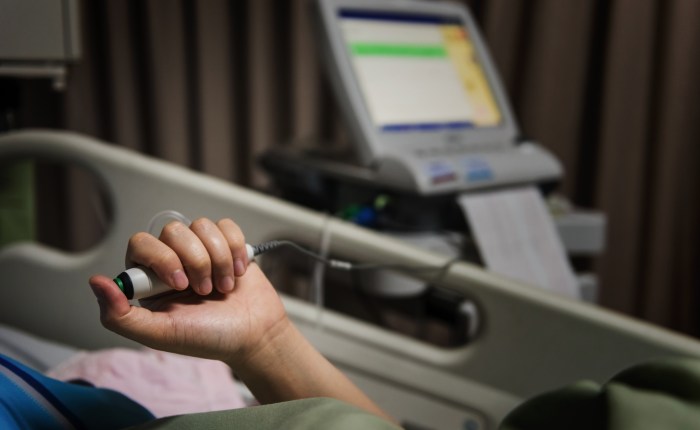
When the plane leaves the runway, I believe this is it. My contractions are productive. When I land in a country on the other side of the ocean, I am fully dilated. It is time to push. When they place her in my arms, my heart explodes. With every visit, my tension melts. I can breathe again. But it strangles me to leave her at the baby house—my oxygen drops between visits.
How can I have held my baby but still be in labor?
Finally, my day in family court arrives. I expect a clean bill of health for mama and baby and a note for discharge. Instead, I enter a living nightmare when they tell me that they cannot approve the adoption at this time. They need time to consider if I am a good match for the baby. And I scream. And I scream. And I scream, through a contraction that lasts for 24 hours, ravaged by relentless, unforgiving pain.
The next day, I grip the courtroom bench, prepared to fight. I am ready to push! My pain subsides as the Judge grants the adoption. I can breathe again, but it is not over. Next, comes the 15-day waiting period.
When I bring my daughter home to the in-country rental where I have lived for two months, I anticipate the next contraction, stiff with worry. I tread cautiously for the remaining days.
When the plane leaves the runway, sweat coats my body and my baby is on my chest. We experience some turbulence but no pain. When we land in the United States, I am ready to see my family. She is here. She is beautiful. And she is mine.
My memoir lives in the moments between the lines above. Six years of labor changed me.
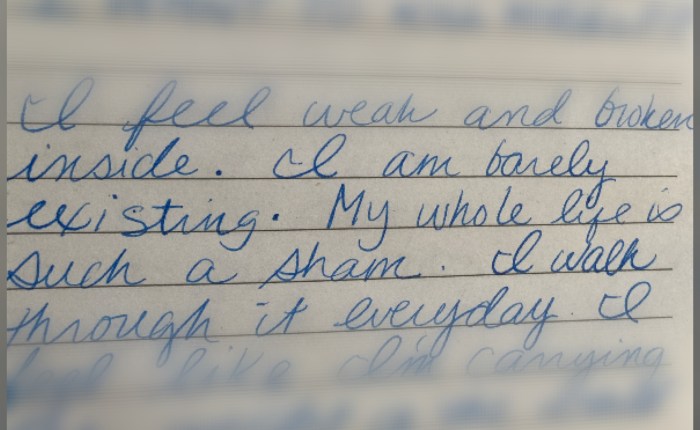
Despite my happy landing, the echoes of infertility reverberate in part because I didn’t allow myself to grieve along the way. Imagine trying to grieve while in labor. For six years, I focused on survival and delivery. You could say I was successful because I have my beautiful daughter. You might even expect me to say that it was all worth it—maybe it was for the best.
But you would be wrong on both counts because this thinking plots my losses as necessary and my journey to motherhood as a linear narrative.
Infertility isn’t linear. It is rife with flash-backs and flash-forwards. Grief isn’t linear, especially when the loss is complicated. And I can’t heal from trauma if I say it was for the best. I tried. I failed and suffered as a result. Telling myself the ends justifies the means stifled my grief by denying the truth. In therapy, I have learned that incredible love and inconceivable pain can coexist. But one doesn’t negate the other; they both deserve my attention.
In sharing my story today, I grieve. I cry. I scream. I laugh. I love. I remember. But most of all, I embrace every woman who is grieving while in labor.







 Trapped in an Air Pocket